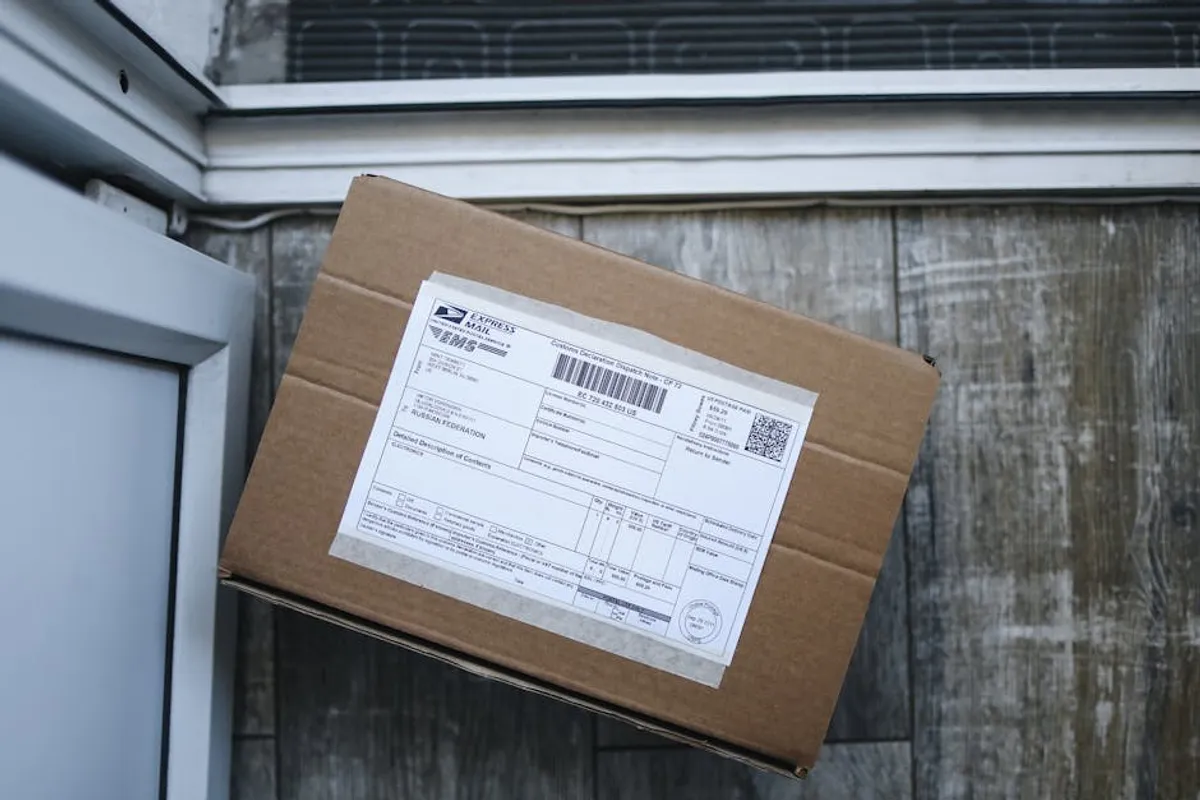
Tracking shipments often devolves into a confusing loop of unhelpful status updates, unknown carriers, and ultimately, frustrated customers. For businesses managing logistics or consumers awaiting critical deliveries, clarity in shipment tracking is paramount. The objective is not just to find a tracking number, but to understand its meaning, identify its carrier, and interpret its journey without unnecessary friction. This requires a systematic approach to common tracking challenges, focusing on direct methods and proactive communication.
Understanding Tracking Numbers and Carriers
The foundation of effective shipment tracking lies in correctly identifying the tracking number and the specific carrier responsible for the package. Without these two pieces of information, any attempt to monitor progress will be inefficient.
Decoding Tracking Formats
Tracking numbers are not universal; they vary significantly by carrier and service level. While some patterns exist, relying on a generic search can lead to misidentification. For instance:
- USPS: Often 20-22 digits, sometimes starting with '9' (e.g., 9400100000000000000000). Priority Mail Express might start with two letters and end with 'US' (e.g., EC123456789US).
- UPS: Typically 18 characters, usually starting with '1Z' followed by 16 alphanumeric characters (e.g., 1Z999AA99999999999).
- FedEx: Commonly 12 or 15 digits (e.g., 987654321098). Some international services use 20 digits.
- DHL: Often 10 or 11 digits, sometimes starting with 'JD' (e.g., 1234567890).
Recognizing these general formats can help narrow down potential carriers, especially when the carrier information is not explicitly provided. However, the most reliable method remains consulting the source document.
Identifying the Correct Carrier
The single most effective way to avoid confusion is to confirm the carrier directly from the source. This information is typically found in:
- Order Confirmation Emails: Most online retailers include the carrier name and tracking number in their shipping confirmation emails.
- Shipping Notifications: Direct emails or SMS messages from the merchant or carrier usually specify the service.
- Merchant Order History: Logging into your account on the merchant's website often provides direct links to tracking or clearly states the carrier.
- Shipping Labels/Receipts: If you are the sender, the label or receipt from the post office or courier service will explicitly state the carrier.
Do not guess the carrier based solely on the tracking number format, as some carriers share similar number lengths or patterns. Always prioritize information from the sender.
Primary Tracking Methods
Once the tracking number and carrier are confirmed, two primary methods exist for monitoring a shipment's progress:
Carrier Websites
The most authoritative source for tracking information is the official website of the shipping carrier. Each major carrier provides a dedicated tracking portal:
- Direct Input: Navigate to the carrier's website (e.g., USPS.com, UPS.com, FedEx.com, DHL.com) and locate the "Track" or "Tracking" section. Enter the tracking number directly into the designated field.
- Detailed Status: Carrier websites typically offer the most granular and up-to-date information, including scans at various points (origin, transit hubs, delivery attempts), estimated delivery dates, and proof of delivery images if available.
- Service-Specific Features: Some carrier sites allow for delivery instructions, hold-at-location requests, or redelivery scheduling, which are usually not available through third-party services.
Best for: Real-time, detailed status updates, managing delivery options, and resolving direct carrier-related issues.
Third-Party Tracking Aggregators
For individuals or businesses managing multiple shipments across various carriers, third-party tracking websites and platforms offer a consolidated view. These services integrate with numerous carrier APIs to pull tracking data into a single interface.
- Consolidated View: Enter tracking numbers from different carriers into one platform to see all shipment statuses in a unified dashboard.
- Automated Notifications: Many aggregators offer email or SMS notifications for status changes, reducing the need for manual checking.
- API Integration (for businesses): Businesses can integrate these services into their own systems (e.g., e-commerce platforms, CRM) to provide customers with branded tracking pages and automated updates, enhancing the post-purchase experience. This reduces customer service inquiries related to "where is my order?"
Best for: Monitoring multiple packages from different carriers, automated updates, and providing a streamlined customer experience for businesses.
Addressing Common Tracking Issues
Even with the correct number and carrier, tracking can present challenges. Understanding common issues helps in troubleshooting and managing expectations.
"Not Found" or "Pre-Shipment" Status
If a tracking number shows "Not Found" or "Pre-Shipment" for an extended period, several factors could be at play:
- Recent Label Creation: The label may have been created, but the package has not yet been physically scanned into the carrier's system. Allow 24-48 hours for the initial scan to appear.
- Incorrect Number: Double-check the tracking number for typos or missing digits.
- Carrier Error: Less common, but sometimes a carrier's system may experience delays in updating.
If the status persists beyond 48 hours, contact the sender first, as they have direct access to the carrier and can verify if the package was picked up.
Delays and Unexpected Reroutes
Shipments can experience delays or unexpected reroutes due to:
- Weather Conditions: Severe weather can impact ground and air transportation.
- Customs Processing: International shipments are subject to customs clearance, which can cause unpredictable delays.
- Operational Issues: High volume periods (holidays), mechanical failures, or logistical errors within the carrier network can lead to slowdowns.
- Incorrect Address: An incomplete or incorrect address can lead to rerouting to a correction facility or return to sender.
Monitor the tracking page regularly for updates. If a package is significantly delayed without explanation, contact the carrier directly with your tracking number. For businesses, proactive communication with customers about potential delays is crucial.
Lost or Damaged Shipments
If a package is marked as lost, or arrives visibly damaged, immediate action is required:
- Document Everything: Take photos of damaged packaging and contents.
- Contact Sender: The sender (merchant) is typically responsible for initiating claims with the carrier, as they are the carrier's direct customer. Provide them with all relevant details and documentation.
- Retain Packaging: Do not discard packaging for damaged items until the claim process is complete, as the carrier may request inspection.
Be aware of carrier claim timelines, which can vary. Prompt reporting increases the likelihood of a successful resolution.
Proactive Tracking Strategies for Businesses
Businesses can significantly reduce customer confusion and support load by implementing proactive tracking strategies.
Integrating Tracking APIs
For e-commerce platforms and logistics operations, integrating directly with carrier APIs or third-party tracking APIs provides granular control and automation. This allows businesses to:
- Automate Notifications: Send customers real-time updates via email or SMS at each significant tracking milestone (shipped, out for delivery, delivered, exception).
- Create Branded Tracking Pages: Offer a seamless, on-brand tracking experience directly on the company website, reducing traffic to external carrier sites.
- Internal Monitoring: Use dashboards to monitor all outgoing shipments, identify potential issues early, and proactively address them before customers inquire.
Customer Communication Protocols
Clear communication is a powerful tool in preventing tracking confusion:
- Set Expectations: Clearly state shipping times and potential delays during the purchase process.
- Provide Direct Links: In shipping confirmation emails, include the tracking number and a direct, clickable link to the carrier's tracking page or your branded tracking portal.
- Proactive Issue Alerts: If a business identifies a widespread delay (e.g., due to weather or carrier issues), proactively inform affected customers.
Pro Tip: Always verify the legitimacy of tracking links. Phishing scams frequently mimic shipping notifications to trick recipients into clicking malicious links or revealing personal information. If in doubt, manually type the carrier's official website address into your browser and enter your tracking number there.
Streamlining Your Shipment Monitoring
Effective shipment tracking is a blend of accurate information, proper tools, and clear communication. By understanding the nuances of tracking numbers, leveraging official carrier resources, and employing smart third-party solutions, both individuals and businesses can navigate the complexities of logistics with greater confidence. For businesses, moving beyond reactive customer support to proactive communication and integrated tracking systems not only reduces confusion but also enhances customer satisfaction and operational efficiency. The goal is to transform a potentially stressful waiting period into a transparent and predictable experience. Effective tracking also involves choosing shipping methods for online stores that integrate well with existing logistics.
Frequently Asked Questions
Why is my tracking not updating?
Tracking updates can be delayed for several reasons: the package may not have been scanned into the carrier's system yet (allow 24-48 hours after label creation), it could be in transit between major hubs without intermediate scans, or there might be an operational delay. If updates cease for more than 48 hours, contact the sender or carrier.
What if my package is marked "delivered" but I haven't received it?
First, check around your property, with neighbors, or in common delivery spots. Sometimes carriers leave packages in less obvious locations for security. If still not found, contact the sender immediately. They can initiate an investigation with the carrier, which often includes GPS data from the delivery scan.
Can I track a package without a tracking number?
Generally, no. A tracking number is the unique identifier for a shipment. Without it, carriers cannot locate specific package information. In some cases, if you are the sender, the carrier might be able to search using the sender's address and date of shipment, but this is not guaranteed and is much less efficient.
How can businesses provide better tracking information to customers?
Businesses can improve tracking by integrating carrier APIs or third-party tracking platforms into their e-commerce sites. This allows for automated, branded tracking pages and proactive notifications (email/SMS) at key stages of delivery, reducing customer inquiries and enhancing the post-purchase experience.