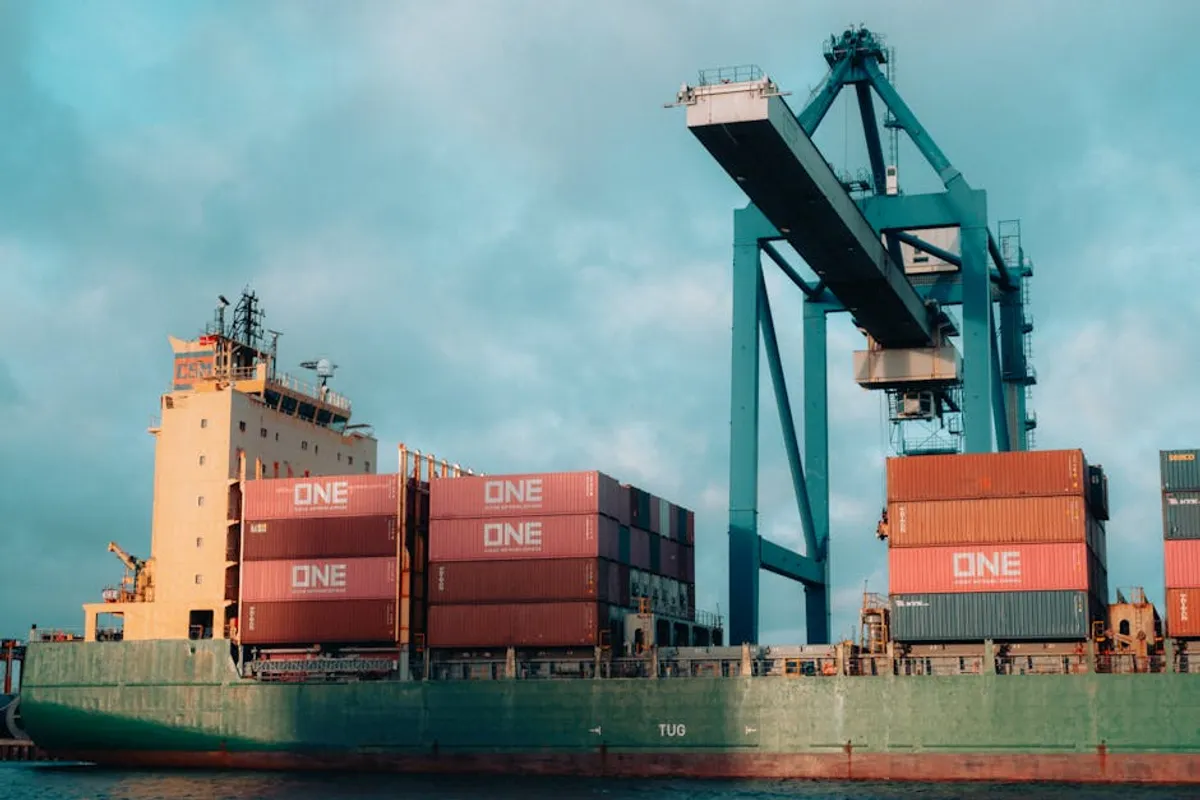
For small businesses aiming to tap into the global marketplace, the prospect of international shipping often appears daunting. Navigating complex customs regulations, securing competitive freight rates, and managing diverse logistics across different continents can quickly consume resources and expertise that smaller operations frequently lack. This is where freight forwarders become a critical partner, acting as an intermediary between the shipper and various transportation services. They simplify the intricate process of moving goods from origin to destination across borders, allowing small businesses to focus on their core competencies while expanding their reach.
Navigating International Shipping Complexities for Small Businesses
Small businesses face distinct challenges when attempting to manage international logistics independently. These hurdles often involve a significant learning curve and can lead to costly errors if not handled by experienced professionals.
The Burden of Customs and Regulations
Each country maintains its own set of import and export regulations, tariffs, and duties. For a small business, understanding and complying with these varying requirements for every potential market is a full-time job. Incorrect documentation, misclassified goods, or overlooked permits can result in severe delays, hefty fines, and even seizure of cargo. Essential documents like commercial invoices, packing lists, bills of lading, and certificates of origin must be precisely prepared and submitted.
Managing Carrier Relationships and Rates
Unlike large corporations with high shipping volumes, small businesses typically lack the leverage to negotiate favorable rates directly with ocean carriers, airlines, or trucking companies. This often means paying higher per-unit costs, eroding profit margins. Furthermore, comparing services, transit times, and reliability across multiple carriers for different legs of a journey is time-consuming and requires specialized knowledge of global shipping lanes and modes (e.g., Less than Container Load (LCL), Full Container Load (FCL), air cargo, rail).
Overcoming Geographic and Infrastructural Hurdles
Shipping globally involves more than just booking a container. It requires understanding port capacities, inland transportation networks, and potential bottlenecks in various regions. Issues such as limited infrastructure in developing markets, political instability, or natural disasters can disrupt supply chains. Small businesses often lack the global network and real-time intelligence to anticipate and mitigate these geographic and infrastructural challenges effectively.
Core Services Freight Forwarders Provide
Freight forwarders offer a comprehensive suite of services designed to streamline international shipping for businesses of all sizes, but particularly benefiting those with limited internal logistics departments.
- Documentation and Compliance Management: They prepare and process all necessary export and import documents, ensuring adherence to customs regulations, trade agreements, and specific country requirements. This includes managing bills of lading, airway bills, customs declarations, and certificates, significantly reducing the risk of customs delays and penalties.
- Carrier Selection and Rate Negotiation: Forwarders leverage their aggregated shipping volume to secure competitive rates from multiple carriers across various modes of transport (sea, air, road, rail). They select the most efficient and cost-effective routes and carriers based on cargo type, urgency, and destination, providing options that small businesses couldn't access independently.
- Warehousing, Consolidation, and Deconsolidation: They arrange for temporary storage, cargo consolidation (combining smaller shipments from multiple clients into a single larger shipment to reduce costs), and deconsolidation at destination ports. This optimizes space utilization and reduces per-unit shipping expenses, especially for LCL shipments.
- Cargo Insurance and Risk Mitigation: Forwarders advise on appropriate cargo insurance options and can help arrange coverage. In the event of loss or damage, they assist with claims processing and provide expertise in navigating unforeseen disruptions like port strikes or weather delays, offering alternative routing solutions.
- Tracking and Visibility: They provide end-to-end tracking of shipments, offering real-time updates on cargo location and estimated arrival times. This transparency allows small businesses to manage inventory more effectively and communicate accurate delivery expectations to their customers.
Tangible Benefits for Small Businesses
Engaging a freight forwarder translates into several quantifiable advantages that directly impact a small business's operational efficiency and financial health.
Cost Efficiency
By consolidating shipments and negotiating volume discounts, freight forwarders reduce per-unit transportation costs. They also help small businesses avoid unexpected expenses such as demurrage (fees for containers sitting too long at a port) or detention fees (fees for using carrier containers beyond the allotted free time) through efficient scheduling and customs clearance. This direct cost saving can significantly improve profit margins on international sales.
Time Savings
Outsourcing the complexities of international logistics frees up valuable internal resources. Business owners and staff can dedicate more time to product development, marketing, and sales, rather than spending hours on paperwork, carrier communications, and problem-solving. Expedited customs clearance and optimized routing also contribute to faster transit times, getting products to market quicker.
Reduced Risk and Error
The specialized knowledge of freight forwarders minimizes the likelihood of costly errors. Their expertise in compliance, documentation, and international trade laws helps prevent fines, delays, and cargo seizures. Professional handling and secure logistics networks also reduce the risk of damage or loss during transit, safeguarding inventory and customer satisfaction.
Market Access and Scalability
Partnering with a freight forwarder enables small businesses to confidently enter new international markets without needing to build an in-house logistics department or invest heavily in global infrastructure. This scalability allows businesses to test new markets with lower financial risk and expand operations seamlessly as demand grows, providing a competitive edge.
Pro Tip: When evaluating freight forwarders, request a detailed breakdown of all potential costs, including origin and destination charges, customs fees, and any surcharges. A transparent pricing structure upfront prevents unexpected expenses and allows for accurate landed cost calculations.
Selecting the Right Freight Forwarder
Choosing an appropriate freight forwarder is a strategic decision that impacts your global supply chain. Consider these factors:
Assess Your Specific Shipping Needs
Before engaging a forwarder, clearly define your shipping profile: the type of goods you ship (e.g., perishables, hazardous materials, oversized cargo), average volume and frequency, key origin and destination countries, and your budget constraints. Some forwarders specialize in particular industries or regions, offering more tailored expertise.
Evaluate Expertise and Network
Look for a forwarder with demonstrated experience in your target markets and with your specific cargo type. A robust global network of agents and partners indicates their capability to handle door-to-door services and resolve issues in various jurisdictions. Inquire about their track record with customs in critical regions.
Technology and Communication
Modern freight forwarders offer advanced tracking systems, online portals, and clear communication channels. Assess their ability to provide real-time visibility into your shipments and their responsiveness to inquiries. Effective communication is crucial for proactive problem-solving and maintaining supply chain transparency.
Transparent Pricing and Service Agreements
Demand clear and itemized quotes. Understand what is included in their fees and what might incur additional charges. A well-defined service level agreement (SLA) should outline responsibilities, transit times, and dispute resolution processes, ensuring both parties have clear expectations.
Strategic Steps for Global Shipping Success
For small businesses, leveraging freight forwarders is not merely about outsourcing a task; it's about forming a strategic partnership that unlocks global opportunities. By offloading the logistical complexities to experts, small businesses can dedicate their focus to innovation, sales, and customer engagement, scaling their operations without being bogged down by the intricacies of international trade. A well-chosen freight forwarder acts as an extension of your team, providing the expertise and infrastructure necessary to compete effectively in the global marketplace.
Frequently Asked Questions
What is the primary role of a freight forwarder for a small business?
A freight forwarder acts as an expert intermediary, organizing and managing all aspects of international shipping for small businesses, from documentation and customs clearance to carrier selection and cargo tracking, simplifying the entire process.
How do freight forwarders save small businesses money?
They save money by consolidating shipments, negotiating better rates with carriers due to their volume, ensuring customs compliance to avoid fines, and optimizing routes and modes of transport for cost-efficiency.
Do freight forwarders handle customs clearance?
Yes, freight forwarders typically manage all necessary customs documentation, declarations, and procedures on behalf of the small business, ensuring compliance and minimizing delays at borders.
What information should a small business prepare before contacting a freight forwarder?
Businesses should have details about their cargo (type, dimensions, weight), origin and destination addresses, desired transit times, value of goods, and any specific handling requirements or regulatory considerations for their products.