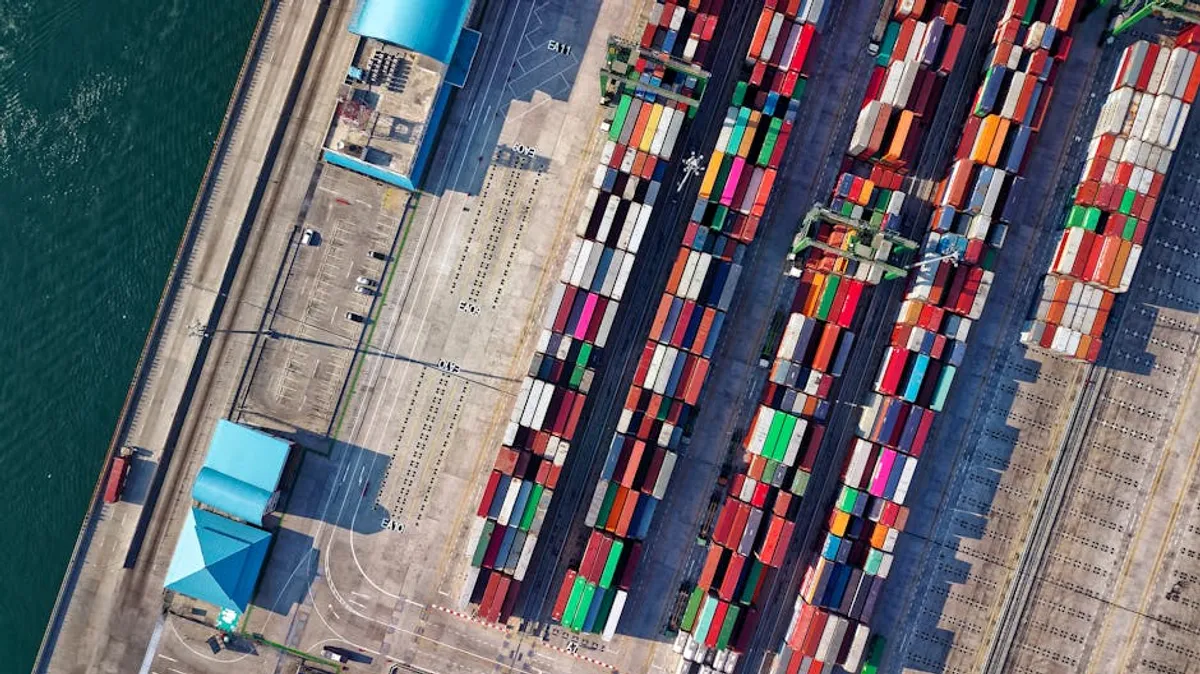
For importers, efficient customs clearance is not merely a procedural step; it directly impacts supply chain velocity, landed cost, and overall business profitability. Delays at the border translate into storage fees, demurrage, and lost sales opportunities. Understanding the mechanics of customs clearance allows businesses to anticipate requirements, mitigate risks, and maintain predictable delivery schedules, transforming a potential bottleneck into a streamlined operational advantage.
The Core Stages of Customs Clearance for Imported Goods
Customs clearance is a multi-stage process ensuring that imported goods comply with all national laws and regulations before entering the domestic market. Each stage requires precision and adherence to specific protocols.
Documentation Requirements and Submission
The foundation of any successful customs clearance begins with a comprehensive and accurate documentation package. Importers must gather and present specific paperwork to customs authorities, either directly or through a licensed customs broker. Inaccuracies or omissions in these documents are a primary cause of delays and penalties.
- Commercial Invoice: Details the transaction between the exporter and importer, including goods description, quantity, unit price, total value, and terms of sale (Incoterms). This document is crucial for valuation and duty assessment.
- Packing List: Provides a detailed breakdown of each package within a shipment, including contents, weight, dimensions, and markings. It helps customs verify cargo against the invoice.
- Bill of Lading (for ocean freight) or Air Waybill (for air freight): A contract between the shipper and the carrier, serving as a receipt for goods and a document of title. It confirms the goods' origin, destination, and transportation route.
- Certificate of Origin: Verifies the country where the goods were manufactured or produced. This is essential for determining eligibility for preferential duty rates under free trade agreements.
- Import License/Permits: Required for certain regulated goods (e.g., pharmaceuticals, food products, electronics, textiles) to ensure compliance with health, safety, and environmental standards.
- Other Certificates: Depending on the commodity, additional certifications like phytosanitary certificates for agricultural products or conformity certificates for electronics may be necessary.
Customs Declaration and Entry
Once documentation is prepared, a formal customs declaration is submitted to the importing country's customs authority. This declaration, often an electronic submission, details the goods being imported, their value, classification (Harmonized System or HS code), origin, and the importer of record. The importer of record is legally responsible for ensuring compliance with import laws and paying duties and taxes. Many importers rely on licensed customs brokers to prepare and submit these declarations due to the complexity and regulatory nuances involved.
Duty and Tax Assessment
Customs authorities assess duties, taxes, and other fees based on the information provided in the declaration. This assessment typically involves:
Harmonized System (HS) Code: A standardized numerical method of classifying traded products. The correct HS code determines the applicable duty rate, which can vary significantly even for similar products. Misclassification can lead to overpayment or underpayment, resulting in fines or retroactive duties.
Valuation: Customs typically uses the transaction value (the price actually paid or payable for the goods) as the primary basis for customs valuation. However, adjustments may be made for elements like freight, insurance, and other costs, depending on the Incoterms and national regulations.
Applicable Taxes: Beyond duties, goods may be subject to Value Added Tax (VAT), Goods and Services Tax (GST), excise taxes, or other domestic consumption taxes. These are usually calculated on the duty-inclusive value of the imported goods.
Customs Examination and Release
After the declaration and payment of duties/taxes, customs authorities may decide to physically examine the cargo. This can range from a simple document review to a full physical inspection of the goods. Examinations are conducted to verify the accuracy of the declaration, ensure compliance with safety standards, and detect prohibited items. If no discrepancies are found, or once any issues are resolved, customs grants clearance, and the goods are released for delivery to the importer.
Key Participants in the Clearance Process
Effective customs clearance relies on collaboration between several parties, each with distinct responsibilities.
The Importer of Record
The importer is ultimately responsible for the accuracy of all declarations and the payment of all duties and taxes. This includes ensuring that goods comply with all import regulations, obtaining necessary permits, and maintaining records for potential audits. Proactive engagement with suppliers and customs brokers is essential for the importer.
Licensed Customs Brokers
Customs brokers are specialists licensed by national customs authorities to act on behalf of importers. They prepare and submit documentation, classify goods, calculate duties and taxes, and communicate with customs officials. Their expertise is invaluable for navigating complex regulations, avoiding penalties, and expediting clearance. Selecting a broker with specific experience in your product category or target markets can significantly streamline operations.
Customs Authorities
These government agencies (e.g., U.S. Customs and Border Protection, HM Revenue & Customs) enforce import laws, collect duties and taxes, and safeguard national security and economic interests. They set the rules, conduct inspections, and grant final release for imported goods.
Common Pitfalls and Proactive Solutions
Importers frequently encounter challenges that can delay shipments and increase costs. Addressing these proactively is key to smooth operations.
Incorrect Harmonized System (HS) Code Classification: Assigning the wrong HS code can lead to incorrect duty rates, fines, or even seizure of goods. Solution: Invest in training for in-house staff or rely on experienced customs brokers for accurate classification. Regular review of product classifications is crucial, especially for new products or changes in trade agreements.
Incomplete or Inaccurate Documentation: Missing or erroneous information on commercial invoices, packing lists, or certificates of origin triggers customs holds. Solution: Implement strict internal document verification processes. Communicate clear documentation requirements to suppliers and ensure they are met before shipment.
Non-Compliance with Import Regulations: Failure to obtain necessary permits or adhere to specific product standards (e.g., labeling, safety) can result in refusal of entry. Solution: Research and understand all regulatory requirements for your specific goods in the importing country well in advance of shipment. Consult with regulatory experts if needed.
Unexpected Duties or Taxes: Miscalculations or unforeseen changes in tariffs can impact landed costs significantly. Solution: Obtain binding rulings from customs authorities on classification and valuation for critical products. Stay informed about trade policy changes and free trade agreement updates.
Pro Tip: Implement a robust internal audit process for your import documentation. Regularly review commercial invoices, packing lists, and certificates of origin against actual shipments. This proactive step helps catch errors before they reach customs, preventing costly delays and potential penalties, and builds a strong compliance record.
Streamlining Your Import Operations
Optimizing customs clearance is an ongoing process that requires strategic planning and continuous improvement.
Invest in Technology: Utilize customs management software or integrate with your customs broker's systems. These platforms can automate document generation, track declarations, and provide real-time status updates, reducing manual errors and improving visibility.
Build Strong Relationships: Foster open communication with your suppliers, freight forwarders, and customs brokers. Clear expectations regarding documentation, lead times, and potential issues can prevent many common clearance problems. A reliable customs broker acts as an extension of your team.
Stay Informed on Trade Policy: Tariffs, trade agreements, and import regulations are dynamic. Regularly monitor updates from government customs websites and industry associations. Proactive knowledge allows you to adapt quickly and leverage opportunities like new free trade agreements.
Conduct Regular Compliance Reviews: Periodically review your import processes and documentation for compliance. This can involve internal audits or engaging third-party consultants. Identifying and rectifying weaknesses before they become issues helps maintain a strong compliance record with customs authorities.
Frequently Asked Questions About Customs Clearance
What is the difference between duties and taxes in customs clearance?
Duties are tariffs or fees imposed on imported goods, primarily to protect domestic industries or generate revenue. Taxes, such as VAT or GST, are consumption taxes applied to goods and services, including imports, and are typically collected by customs at the point of entry.
Can I clear customs myself without a broker?
While it is technically possible for an importer to clear their own goods, it is generally not recommended for commercial shipments due to the complexity of regulations, documentation, and the potential for costly errors. Customs brokers possess specialized knowledge and systems to navigate these complexities efficiently.
What happens if my goods are held by customs?
If goods are held, customs will typically issue a notice indicating the reason (e.g., missing documents, inspection, suspected non-compliance). The importer or their broker must then address the issue, provide requested information, or pay any outstanding duties/penalties to secure release. This can lead to significant delays and storage costs.
How are Incoterms relevant to customs clearance?
Incoterms (International Commercial Terms) define the responsibilities of buyers and sellers for the delivery of goods under sales contracts. They specify who is responsible for costs and risks, including transportation, insurance, and customs formalities. For example, under DDP (Delivered Duty Paid), the seller is responsible for all customs clearance and duty payments in the importing country, while under EXW (Ex Works), the buyer handles everything from the seller's premises.