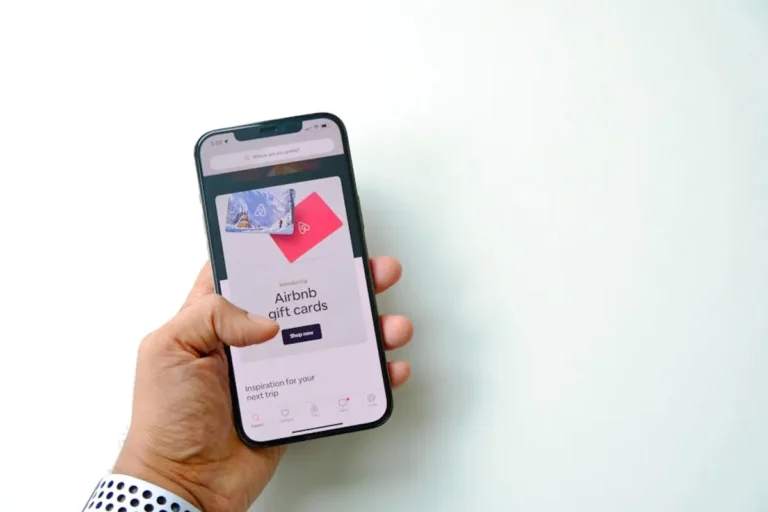
Businesses offering gift cards face a fundamental decision regarding their delivery mechanism: digital distribution or physical shipment. This choice is not merely logistical; it impacts customer experience, operational costs, brand perception, and ultimately, sales velocity. Understanding the core differentiators between digital and physical options allows businesses to align their gift card program with specific market demands and operational capabilities.
Digital Gift Card Delivery: Speed, Scale, and Security
Digital gift cards, often delivered via email or SMS, represent a modern, efficient solution for businesses prioritizing speed and broad accessibility. Their primary appeal lies in immediate gratification and global reach, minimizing the friction points associated with traditional retail.
Immediate Delivery and Global Reach
The defining characteristic of digital gift cards is instant delivery. Once purchased, the recipient receives the card details—typically a code or barcode—within minutes, making them ideal for last-minute gifts or urgent purchases. This immediacy eliminates shipping delays and costs, extending a business's reach beyond geographical borders. A customer in one country can instantly send a gift card to a recipient across the globe, provided the currency and redemption platform are compatible. This capability significantly expands market potential without requiring complex international shipping infrastructure.
Cost Efficiency and Automation Benefits
Digital gift card programs inherently offer substantial cost savings compared to their physical counterparts. Businesses avoid expenses related to card printing, packaging materials, storage, and shipping fees. The entire process, from purchase to delivery, can be largely automated, reducing manual labor and operational overhead. This automation also scales effortlessly; handling 100 digital gift card orders is nearly as resource-light as handling 10,000, making it a highly efficient model for businesses anticipating high volume.
Customization and Personalization
While often perceived as less personal than a physical item, digital gift cards offer robust personalization options. Businesses can provide templates for various occasions, allowing purchasers to add custom messages, choose designs, or even upload photos. This level of customization, delivered directly to an inbox, can create a highly personal and memorable experience. Furthermore, digital platforms often enable features like scheduled delivery, ensuring a gift arrives precisely on a birthday or holiday.
Security and Fraud Prevention Considerations
Digital delivery introduces specific security challenges, primarily concerning fraud. Businesses must implement robust fraud detection systems to mitigate risks associated with stolen credit cards or account takeovers. This includes real-time transaction monitoring, IP address verification, and velocity checks. However, once delivered, digital codes can be more secure against physical loss or theft than a plastic card carried in a wallet. Many systems also offer features like balance protection and easy reissuance if a digital card is misplaced or accidentally deleted.
Pro Tip: Implement multi-factor authentication for gift card purchases and redemption to significantly reduce fraud vectors. For high-value digital gift cards, consider a brief hold period or manual review process before final delivery.
Physical Gift Card Shipping: Tangibility, Presentation, and Perceived Value
Physical gift cards, often plastic cards resembling credit cards, offer a tangible product and a distinct unboxing experience. They cater to a different set of customer expectations, emphasizing presentation and traditional gifting rituals.
The Unboxing Experience and Brand Reinforcement
A physical gift card, especially when presented in custom packaging, delivers an unboxing experience that digital options cannot replicate. The act of opening an envelope or a small box, revealing a branded card, reinforces the brand identity and can elevate the perceived value of the gift. This tangibility makes the gift feel more substantial and thoughtful, aligning with traditional gifting preferences for special occasions.
Gifting Occasions and Traditional Preferences
Physical gift cards remain popular for specific gifting occasions, such as birthdays, holidays, or corporate incentives, where a physical item is expected or preferred. For recipients less comfortable with digital formats or those who appreciate a physical reminder of their gift, a plastic card serves as a convenient and familiar payment method. They can be easily slipped into a greeting card or presented in person, maintaining a traditional aspect of gift-giving.
Logistics, Inventory, and Shipping Costs
Operating a physical gift card program involves managing inventory, printing, and fulfillment logistics. Businesses must account for card production costs, storage, and the complexities of shipping—including packaging, carrier selection, tracking, and potential international customs. These factors introduce additional operational overhead and can extend delivery times, requiring purchasers to plan ahead. Effective inventory management is crucial to avoid stockouts or excess waste.
Tracking and Delivery Assurance
Physical gift cards benefit from standard shipping tracking capabilities, providing purchasers and recipients with real-time updates on delivery status. This transparency offers assurance that the gift is en route and helps resolve potential delivery issues. While shipping costs are incurred, the ability to track a physical item to its destination is a significant advantage for peace of mind, especially for high-value gifts.
Key differences in gift card delivery options:
- Delivery Speed: Digital is instant; Physical requires shipping time.
- Cost Implications: Digital has lower operational costs; Physical incurs printing, packaging, and shipping expenses.
- Environmental Impact: Digital is paperless; Physical uses plastic and packaging materials.
- Tangibility: Digital is intangible; Physical offers a concrete item.
- Fraud Risk: Digital faces online fraud; Physical faces postal theft or loss.
- Personalization: Digital offers customizable digital templates; Physical allows for custom packaging and handwritten notes.
Strategic Considerations for Businesses
The optimal choice between digital and physical gift card delivery, or a combination of both, depends on a business's specific objectives and target audience.
Audience Demographics and Preferences
Understanding the target customer base is paramount. Younger, tech-savvy demographics may prefer the convenience of digital gift cards, while older generations or those with a preference for traditional gifts might lean towards physical cards. Businesses should analyze their customer data to determine prevailing preferences and tailor their offerings accordingly. Surveys or feedback mechanisms can provide valuable insights into what customers value most in a gift card experience.
Operational Capacity and Integration
The decision also hinges on a business's internal resources and technological capabilities. Implementing a robust digital gift card program requires integration with e-commerce platforms, email service providers, and potentially fraud detection tools. A physical program demands inventory management, fulfillment partnerships, and efficient shipping logistics. Businesses with limited in-house fulfillment capabilities might find third-party providers essential for managing physical card distribution.
Blended Approaches for Optimal Reach
Many businesses find success by offering both digital and physical gift card options. This hybrid approach caters to the widest possible customer base, allowing purchasers to select the delivery method that best suits their needs or the recipient's preferences. Offering both options provides flexibility and choice, enhancing the overall customer experience and potentially increasing gift card sales by removing barriers to purchase for different segments.
Making an Informed Decision
Choosing between digital and physical gift card delivery requires evaluating business goals against customer expectations and operational realities. Digital solutions offer speed, cost efficiency, and global reach, appealing to modern convenience. Physical cards provide tangibility, brand presentation, and cater to traditional gifting preferences. A comprehensive understanding of these factors enables businesses to implement a gift card program that effectively supports sales, enhances brand perception, and satisfies diverse customer needs.
Frequently Asked Questions
Which gift card delivery method is more secure?
Both methods have distinct security considerations. Digital gift cards require strong online fraud prevention measures for purchase and redemption. Physical cards are susceptible to loss or theft during shipping or after receipt. Businesses must implement robust security protocols for whichever method they offer.
Can I offer both digital and physical gift cards simultaneously?
Yes, many businesses successfully offer both options. This hybrid approach allows customers to choose their preferred delivery method, catering to a broader range of preferences and occasions. It requires managing two distinct fulfillment processes but maximizes market reach.
What are the environmental impacts of each option?
Digital gift cards generally have a lower environmental footprint as they eliminate the need for plastic cards, paper packaging, and associated shipping emissions. Physical cards, while offering tangibility, contribute to material waste and carbon emissions from production and transport.
How do delivery methods affect customer perception?
Digital cards are often perceived as convenient and immediate. Physical cards, particularly with premium packaging, can be seen as more thoughtful or substantial, contributing to a stronger unboxing experience and brand reinforcement. The perception largely depends on the recipient's personal preferences and the gifting context.